


Last Asylum: Plague
4.45.66K Reviews
App Specs
- Version
- 1.0.106
- Updated On
- License
- Free
- Downloads
- 10,000,000+
- Developer
- 37GAMES GLOBAL
- Categories
- Strategy
- Platform
- Android
Screenshots
 Analysis by AppCompare
I tend to enjoy strategy games most when their pressure comes from choosing what to do with limited time and supplies, rather than simply tapping through fights. Last Asylum: Plague aims for that kind of tension, wrapping survival decisions in a plague-ravaged setting. Its premise has an immediate hook, but I’d approach it as a game to try at your own pace, not as a guaranteed fit for anyone looking for a quick, self-contained story.
What the purchase details tell you
This is a free strategy game from 37GAMES GLOBAL, with optional in-app purchases priced from $0.99 to $99.99 per item. That range is worth noticing before you start: the game costs nothing to install, but spending is built into its business model. A free download is not the same as a promise that every route through the game will feel equally convenient without paying.
The store shows a 4.2 average from 23 ratings, alongside 13 written reviews, and more than a million installs. I treat those numbers as a rough sign of interest, not a reliable answer to whether the game will suit me; the rating pool is small enough that individual reactions can carry noticeable weight. It is rated Teen, was released on February 28, 2026, and version 1.0.49 requires Android 7.0 or later. If you’re choosing a game for a younger player, the age rating is a useful starting point, but I’d still check the device’s purchase controls and decide whether optional spending is appropriate.
One practical question is whether you need to spend to enjoy it. The purchase range confirms that paid items are available, but it does not establish which items affect progress, whether they are cosmetic or functional, or how far a free player can comfortably advance. I wouldn’t buy anything just to get past an early slowdown. First learn what the game asks of you, notice where your progress actually stalls, and only then decide whether a purchase solves a problem you genuinely care about.
A survival premise needs careful pacing
The game’s central appeal is the contrast between a fragile sanctuary and a hostile world. That setup naturally suits strategic play: you’re encouraged to think about immediate survival while keeping longer-term stability in view. The store’s concise premise points toward an isolated doctor and a last opportunity to act, giving the setting a human focus rather than making the plague only a backdrop. I find that more compelling than a survival game built solely around collecting supplies, though the premise by itself cannot tell you how much narrative the game delivers as you play.
For a realistic everyday routine, I’d treat it as a short check-in game rather than something that deserves every spare minute. A player fitting it around a commute or a break could decide on one clear objective before opening it, such as reviewing the sanctuary’s current needs or working toward a particular upgrade. That small habit helps keep a strategy game from turning into aimless resource gathering. It also makes it easier to spot whether progress is satisfying on its own or whether the game is leaning too heavily on waiting or purchase prompts for your taste.
A useful tip for any resource-led survival strategy is to avoid spending every available resource as soon as it appears. Keep track of what the game repeatedly asks you to replenish, and pause before committing scarce materials to a less urgent improvement. That approach is not a claim about a hidden feature; it is a way to make decisions more deliberately when a game asks you to manage a vulnerable settlement. If the game’s own instructions make a resource’s purpose clear, use that information rather than guessing based on genre expectations.
Worth Reading Before You Choose

Flipboard Shows What News Apps Must Do Beyond the Feed

Switching to Android Auto Means Rethinking Your Driving Routine

Google Calendar Makes a Crowded Week Easier to Manage

Ludo King Makes the Most of the Minutes Between Plans

Baby Panda World Brings Quick Play to Modern Phones, but Its Game Library Feels Busy

ESPN’s Live Game View Makes Following Close Games Easier
Choosing it over other strategy games
Compared with familiar strategy alternatives, this one is most appealing if the plague setting and survival framing are what you want to spend time with. A conventional city builder may offer a calmer focus on layout and expansion; a combat-first strategy game may make battles the main event. Here, the sanctuary-and-doctor premise suggests a more personal kind of pressure. If you mainly want a brisk match that ends cleanly after a few minutes, a puzzle strategy game or a turn-based title with contained sessions may be a better match.
There’s a trade-off in choosing a survival game with a persistent-feeling world: the theme can make routine decisions feel meaningful, but it can also make progress feel like upkeep. I’d pay attention to whether each session gives you a decision you’re glad you made, rather than measuring enjoyment only by how many things you collected or upgraded. If you prefer games with a clearly defined ending and little ongoing maintenance, the broader survival format may feel like work instead of play.
It may also help to decide what kind of atmosphere you want. A plague setting can be tense by design, and the Teen rating makes this a more mature choice than a light, cheerful settlement game. That doesn’t automatically make it unsuitable for every younger player, but I would not pick it for someone specifically seeking a gentle or purely cozy experience. For players who like a serious survival mood, the premise gives the strategy a stronger emotional frame.
First Impressions and Gameplay
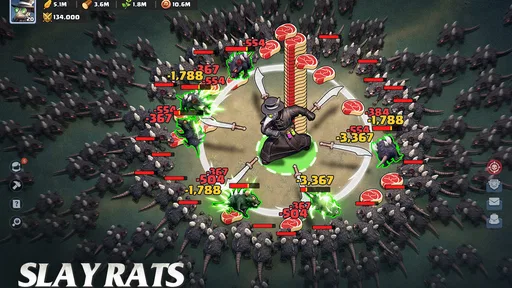
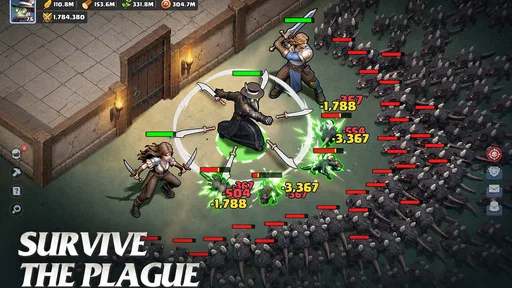
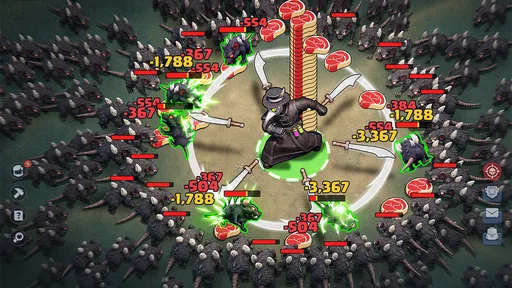
Upon firing up Last Asylum: Plague, the first thing that grabs your attention is its hauntingly beautiful design. The graphics are crisp, with a dark and moody aesthetic that perfectly sets the stage for a world ravaged by a plague. Right off the bat, you’re thrust into a storyline that’s both engaging and chilling, urging you to survive in a world where every decision counts.
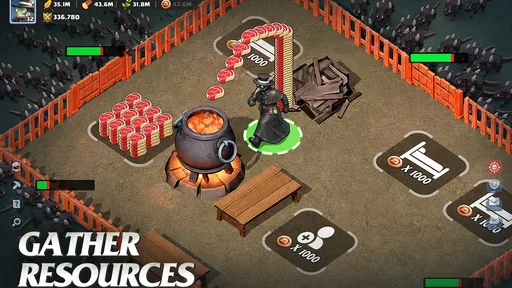
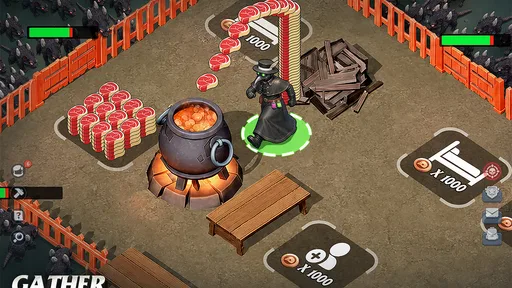
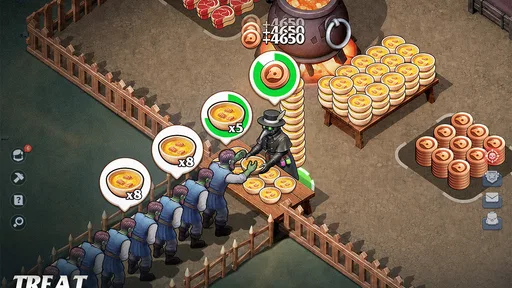
The game mechanics are straightforward but offer enough depth to keep things interesting. You’ll find yourself scavenging for resources, building shelters, and making alliances with other survivors. The beauty of the game is in its unpredictability—each decision can lead to unexpected outcomes, keeping you on your toes. It’s like a rollercoaster ride, only this one involves dodging infected creatures and making life-or-death choices!
Graphics and Sound
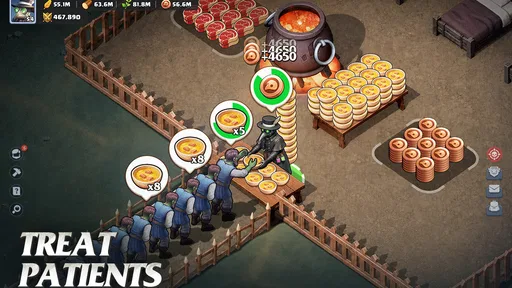
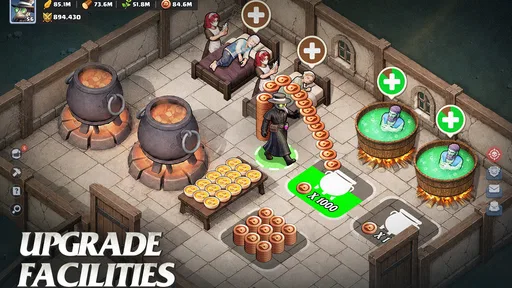
Let’s talk a bit about the visuals and sound design. The developers have done a stellar job with the graphics. Each scene is meticulously crafted, with an attention to detail that pulls you deeper into the game’s world. The sound effects and background music add another layer of immersion. From the eerie silence of abandoned buildings to the chilling growls of lurking creatures, the audio perfectly complements the visual elements.
That presentation is a better fit for players who enjoy atmosphere as part of the strategy, not just as decoration. If you usually play with sound muted, you may miss some of the mood the audio is meant to create, though the visuals still carry the bleak setting. I’d also keep expectations measured: a strong look and sound can make a world more inviting, but they do not by themselves guarantee that the decisions remain varied over a long run.
Features That Stand Out
One of the standout features is the game’s intricate crafting system. You can create weapons, tools, and even defenses to protect your hideout. The crafting system isn’t just an add-on; it’s crucial for your survival, making each resource you gather feel valuable. Another highlight is the multiplayer aspect that allows you to team up with friends or strangers. Whether you’re battling hordes together or competing for scarce resources, the social element adds a new dimension to the game.
For a smoother start, I’d resist trying to optimize every crafting choice immediately. First work out which items seem to support your current objective, then save materials that might be needed for a more urgent survival need. This is especially useful if you’re the kind of player who enjoys crafting but can get stuck in menus comparing every possible option. A simple priority—survival needs first, experiments later—keeps the system manageable without assuming that every recipe is equally important.
The multiplayer angle changes the decision about who should try it. If you enjoy coordinating with other people or comparing approaches, playing alongside friends could make the survival premise feel less solitary. If you prefer to control every choice yourself, or dislike competition over limited resources, the social side may be less appealing. I’d go in expecting interaction to shape the experience, not assuming that playing with strangers will always be cooperative just because teamwork is possible.
Challenges and Rewards
Last Asylum: Plague is not for the faint-hearted. The game is challenging, with enemies that grow tougher as you progress. However, the sense of achievement you get from overcoming these challenges is incredibly rewarding. It strikes a fine balance—difficult enough to keep you engaged, but not so hard that it becomes frustrating.
That balance is personal, so I’d judge it by how the game responds when you make a poor choice. A demanding strategy game can be satisfying when a setback teaches you what to prioritize next time; it becomes tiresome when recovery feels like waiting rather than planning. If you hit a wall, take a moment to identify whether you need a different strategy or simply more resources before repeating the same action. That pause can save both time and unnecessary spending.
Where It Could Improve
No game is perfect, and while Last Asylum: Plague ticks many boxes, there are areas for improvement. The in-game tutorial could be more comprehensive. New players might find themselves a bit lost initially, especially with the complex crafting system. Additionally, the energy system can be a tad restrictive, sometimes forcing you to either wait or make in-app purchases to continue playing.
For me, that early learning friction matters because strategy games are most enjoyable when I understand why a choice worked or failed. If the tutorial leaves you uncertain, slow down and use each new system as it appears rather than trying to master everything at once. The energy limit also affects the game’s fit: someone who wants long, uninterrupted sessions may find the stop-and-start rhythm irritating, while a player who likes brief check-ins may be less bothered by it.
On fairness, the clearest concern is the combination of optional purchases and a restrictive energy system. It creates a point where paying may look like the easiest way to continue, even though the available purchase information alone does not show whether payment is necessary for competitive success or how progression compares between paying and non-paying players. I would not call the game pay-to-win without evidence. I would, however, set a personal spending limit before starting and avoid treating convenience purchases as a requirement simply because the game has slowed down.
What I’d want to learn before spending
Several details matter to a player deciding whether the purchase options feel fair: what each item provides, whether the same benefit can be earned through play, how energy limits affect a typical session, and whether multiplayer competition gives paying players a material edge. Those are sensible things to check in the game itself before buying anything. Until you understand the value of an item in the context of your own progress, its listed price is not enough to tell you whether it is worthwhile.
I’d also separate a one-time impulse from a repeated pattern. If you’re considering a purchase, ask whether it solves a specific annoyance you have already encountered or whether you’re buying because you feel pressured to keep up. The first can be a deliberate choice; the second is a good reason to step away and return later. This is particularly useful in a game where energy and survival pressure can make waiting feel like a problem that money should fix.
For players who share devices or payment accounts, it’s sensible to protect purchases through the device’s normal approval settings. That advice is especially relevant when a free game offers items across a wide price range. I wouldn’t let a young player browse purchase options without an adult deciding how spending should work. The Teen rating gives a broad age signal, while purchase controls address a separate practical concern.
The Verdict
Overall, Last Asylum: Plague offers an exhilarating blend of strategy, survival, and horror. It’s a game that demands your attention and rewards you with a rich, immersive experience. Whether you’re a fan of survival games or just looking for something to sink your teeth into, this app is definitely worth a download.
My recommendation is more specific: try it if the plague setting, settlement survival, crafting, and social play are the parts that interest you, and you’re comfortable with a game that may limit how long you can play at once. If you want a fully transparent spending experience, a generous tutorial, or long sessions without energy interruptions, I’d compare it with other strategy games before settling in. A free start makes that first test easier, but it doesn’t remove the need to decide whether its pace suits you.
So, gear up, strategize, and immerse yourself in this thrilling post-apocalyptic world. And remember, every decision matters. Good luck surviving out there!
Pros
- Engaging storyline with intense plot twists.
- High-quality graphics enhance immersion.
- Varied gameplay modes keep it interesting.
- Smooth controls for seamless navigation.
- Regular updates with new features.
Cons
- Requires a stable internet connection.
- Contains in-app purchases.
- Some levels can be repetitive.
- May drain battery quickly.
- Large file size requires ample storage.
FAQs for Last Asylum: Plague
What is the main objective of Last Asylum: Plague?
In Last Asylum: Plague, players are immersed in a post-apocalyptic world where survival is the ultimate goal. The game challenges you to navigate through a desolate asylum, solve intricate puzzles, and fend off infected foes. Your mission is to uncover the truth behind the outbreak and find a way to escape alive.
Is Last Asylum: Plague available on both Android and iOS?
Yes, Last Asylum: Plague is designed to be accessible for both Android and iOS users. You can easily download it from the Google Play Store or the Apple App Store. Ensure your device meets the minimum system requirements for the best gaming experience.
Does Last Asylum: Plague offer multiplayer features?
Last Asylum: Plague primarily focuses on a single-player experience to deliver an intense, atmospheric narrative. However, there are plans for future updates which might include co-op or multiplayer modes to enhance interaction with other players in the apocalyptic setting.
Are there in-app purchases in Last Asylum: Plague?
Yes, Last Asylum: Plague includes in-app purchases that allow players to enhance their gameplay experience. These purchases can range from cosmetic upgrades to additional resources. However, they are optional and not required to enjoy the full scope of the game.
What is the age rating for Last Asylum: Plague?
Last Asylum: Plague is rated for mature audiences due to its intense horror elements and graphic content. It includes scenes that may not be suitable for younger players, such as violence and suspenseful scenarios. Parental discretion is advised for players under 17.


